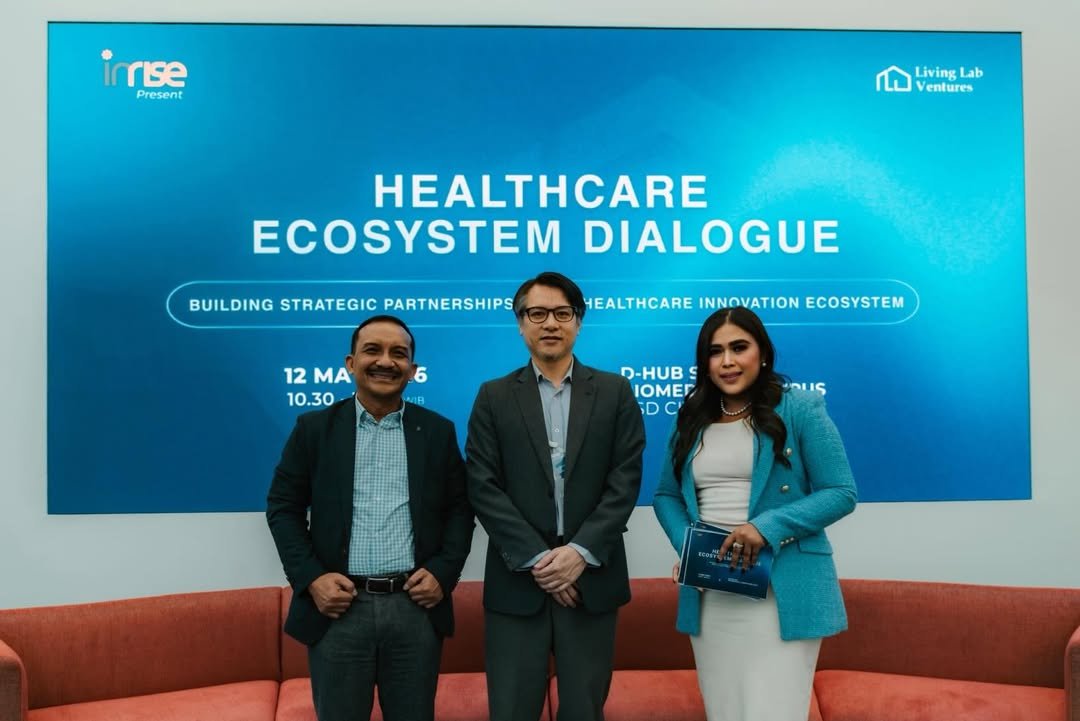
We were delighted to co-host the Healthcare Ecosystem Dialogue on May 12, 2026, bringing together key stakeholders to discuss how strategic partnerships and ecosystem collaboration will play a vital role in shaping the future of healthcare transformation in Indonesia.
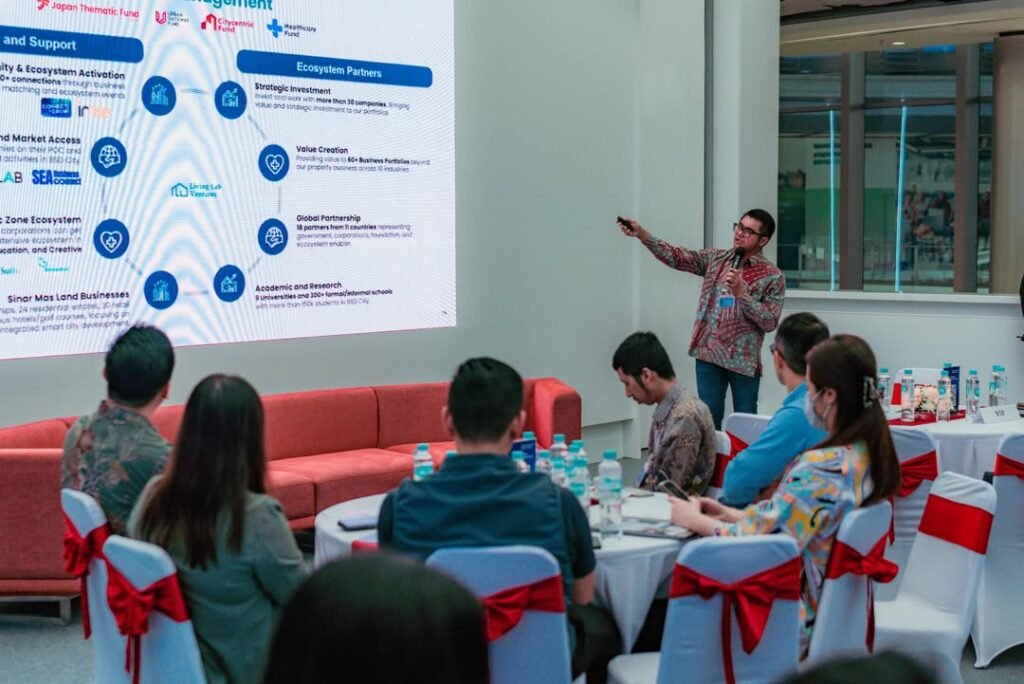
One of the key insights highlighted throughout the discussion was that innovation must extend beyond ideas. The real challenge lies in ensuring innovations can be implemented effectively, adopted at scale, and supported by ecosystem readiness, human capital development, and long-term collaboration across stakeholders.
Indonesia is currently entering an important phase in its national healthcare transformation, aligned with the Ministry of Health’s Transformation Agenda 2025–2029. The agenda focuses on strengthening healthcare services, accelerating digital transformation, advancing healthcare technology, and building a more integrated national healthcare ecosystem, as highlighted by Prof. Asnawi Abdullah, Head of the Health Development Policy Agency at the Ministry of Health.
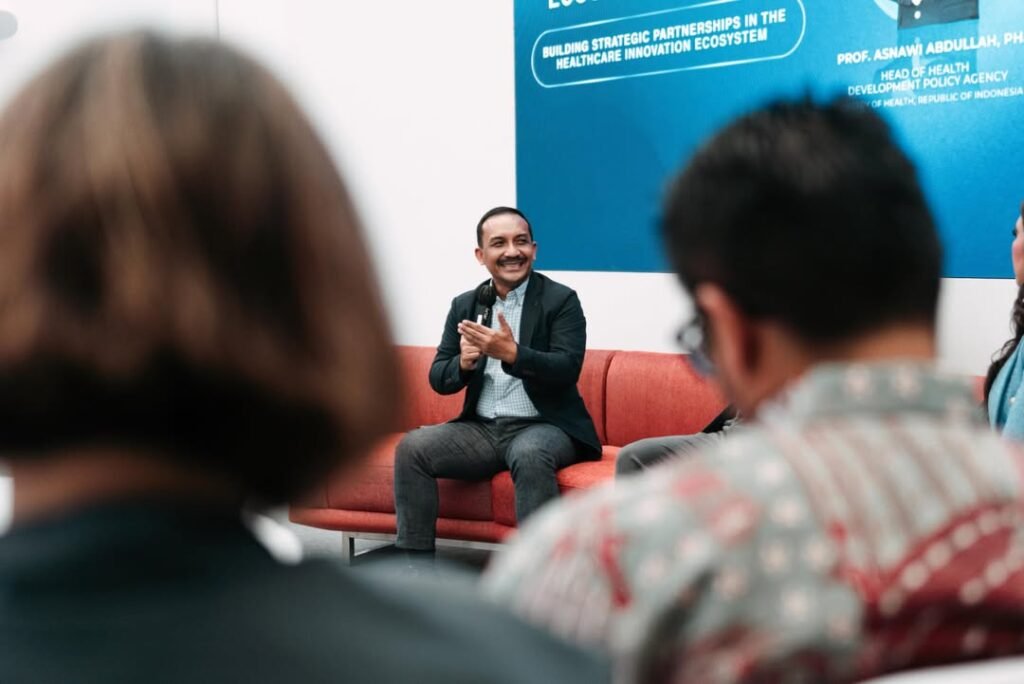
Dr. Agus Heru Darjono, President Director of Bunda Medik Healthcare System, shared how RS Bunda Group approaches innovation not only as an operational enhancement, but as part of building a stronger and more integrated ecosystem for women’s and children’s healthcare. He emphasized that strategic partnerships are driven not only by technological capabilities, but also by shared vision, aligned values, and a patient-centric approach that creates meaningful impact for both patients and healthcare professionals.
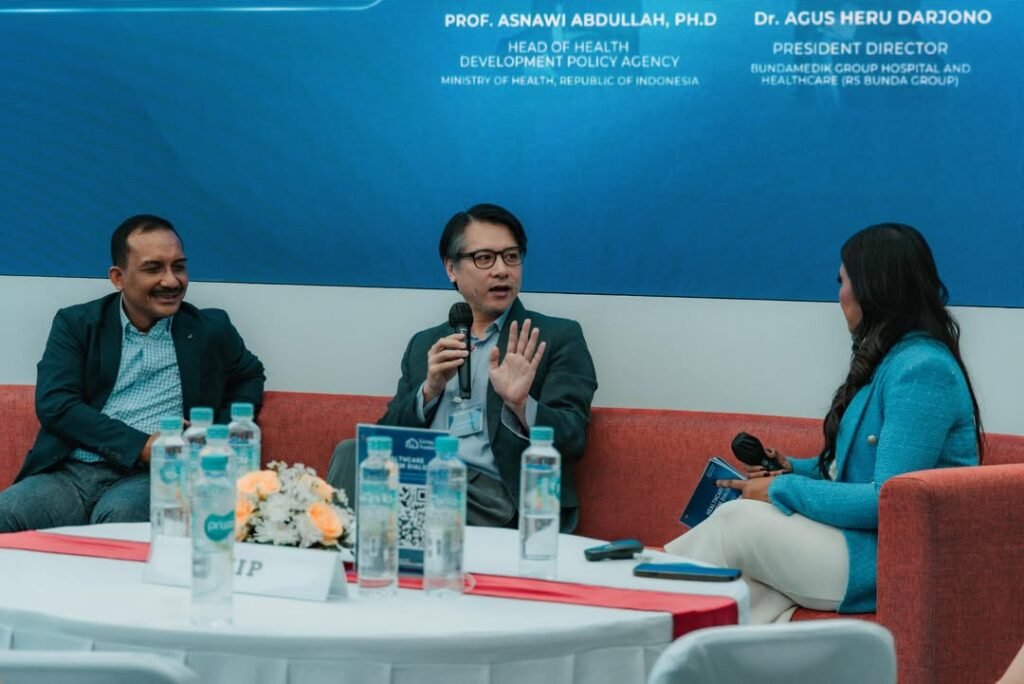
From the ecosystem development perspective, Mulyawan Gani, CEO of Digital Business at Sinar Mas Land and Managing Partner at Living Lab Ventures, shared how initiatives such as InnoLab continuously explore emerging innovations without limiting progress through rigid boundaries, recognizing that innovation continues to evolve. He also emphasized the importance of building ecosystems with adaptability and long-term thinking, reflected in BSD City’s long-term vision and the development of D-HUB SEZ, which integrates four sectors, including the future development of a medical precinct.