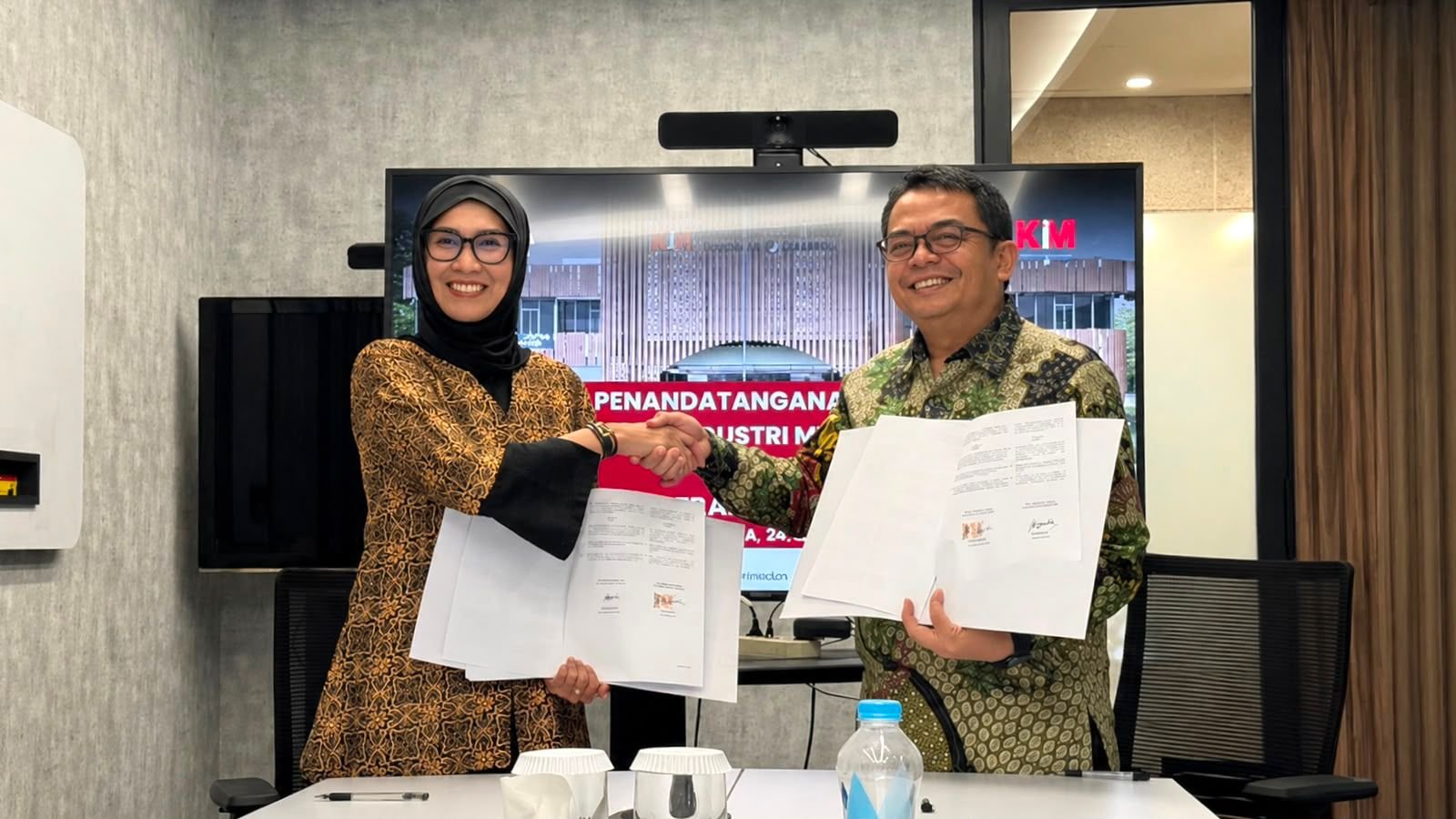
Jakarta, March 3, 2025 – In demonstration of their shared commitment to advancing sustainable economic growth, Bangladesh and Indonesia engaged in a high-level exchange on sustainable finance. A delegation of senior representatives from Bangladesh’s Economic Relations Division (ERD) the Ministry of Finance, led by the Cabinet Secretary and ERD Additional Secretary and supported by the United Nations Development Programme (UNDP) and Impact Investment Exchange (IIX), visited Jakarta from 24 to 27 February 2025. The visit aimed to gain insights from Indonesia’s pioneering success in sustainable financing and thematic bonds, including Green and Sustainability mechanisms.
The visit provided an opportunity for both nations to explore how financial instruments such as Green Bonds, Sukuk, Orange Bonds, and other thematic financing models can mobilize capital for national sustainable development. Indonesia’s experience in designing and implementing these financial mechanisms has positioned it as a leader in the Global South, while Bangladesh is strengthening its approach to sustainable finance as part of its development and reform priorities.
Regional Knowledge Exchange in Sustainable Finance
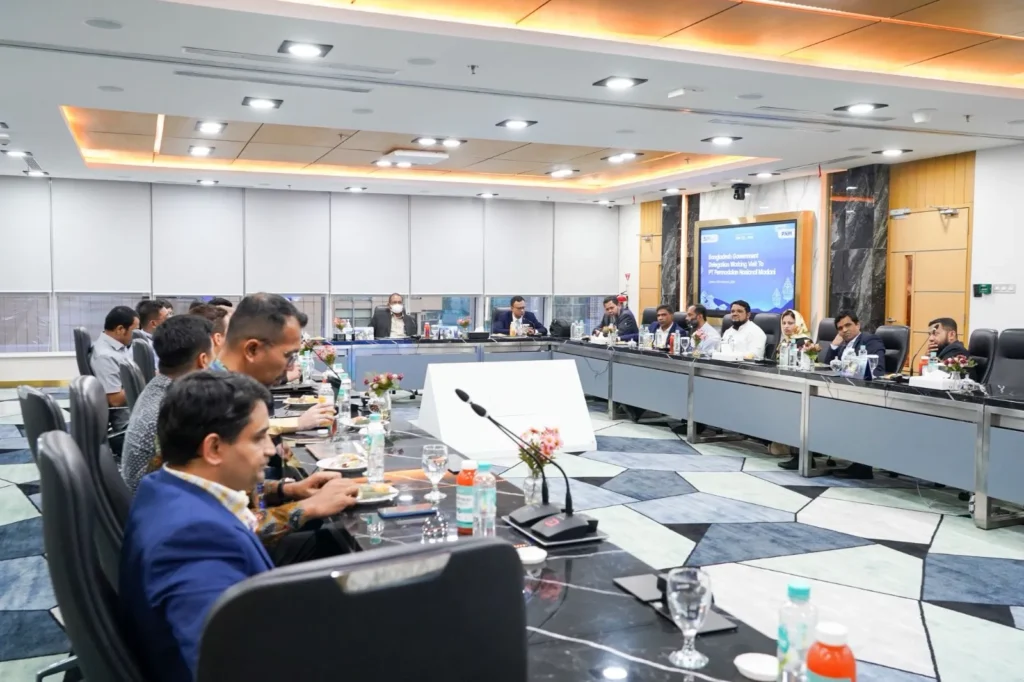
Following a period of political and economic transformation, Bangladesh is focusing on fostering a stable and equitable growth trajectory. Expanding access to sustainable financing, particularly through climate-aligned investments, has been expressed as a key priority for the country’s leadership. The delegation engaged with Indonesia’s financial policymakers, bond issuers and climate-aligned projects to understand how sustainability-focused finance has been successfully scaled to drive economic growth while addressing environmental and social priorities.
Mr. AKM Sohel, UN Wing Chief and Additional Secretary of the Economic Relations Division (ERD), Government of Bangladesh, stated, “Bangladesh is committed to building a sustainable and resilient economy, and this collaboration with Indonesia is a vital step toward unlocking innovative financial solutions through capital markets. By learning from Indonesia’s successful experience in green finance and social and sustainability aligned investments, we aim to develop financial mechanisms that will not only support our climate goals but also ensure inclusive economic growth for all Bangladeshis,”
Indonesia has been recognized for its leadership in sustainable finance, having introduced award-winning financial instruments such as the Green Sukuk and sustainability bonds. These initiatives have helped the country channel investment into climate resilience efforts, including coastal protection, sustainable fisheries management, and marine biodiversity conservation. Bangladesh, which is keen to develop similar funding mechanisms, examined Indonesia’s approach to structuring incentives, engaging investors, and building policy frameworks that support long-term economic growth and inclusive development.
The visit provided an opportunity to highlight the importance of financial solutions that are both inclusive and responsive to the complex climate, social and economic challenges. Both countries have demonstrated commitment to ensuring that investments are directed toward the communities most affected by these issues, particularly women and underserved populations, with Bangladesh looking to issue Green Bond and their inaugural Orange Bond, recognizing that sustainability must encompass more than just environmental concerns.
Taking an Inclusive Approach to Sustainable Development
IIX, a global leader in gender-lens investing coupled with climate action, is actively supporting both countries in structuring their Orange Bond frameworks, providing technical expertise, and facilitating access to impact-driven capital markets. This milestone underscores the power of South-South collaboration in shaping the next frontier of sustainable finance.
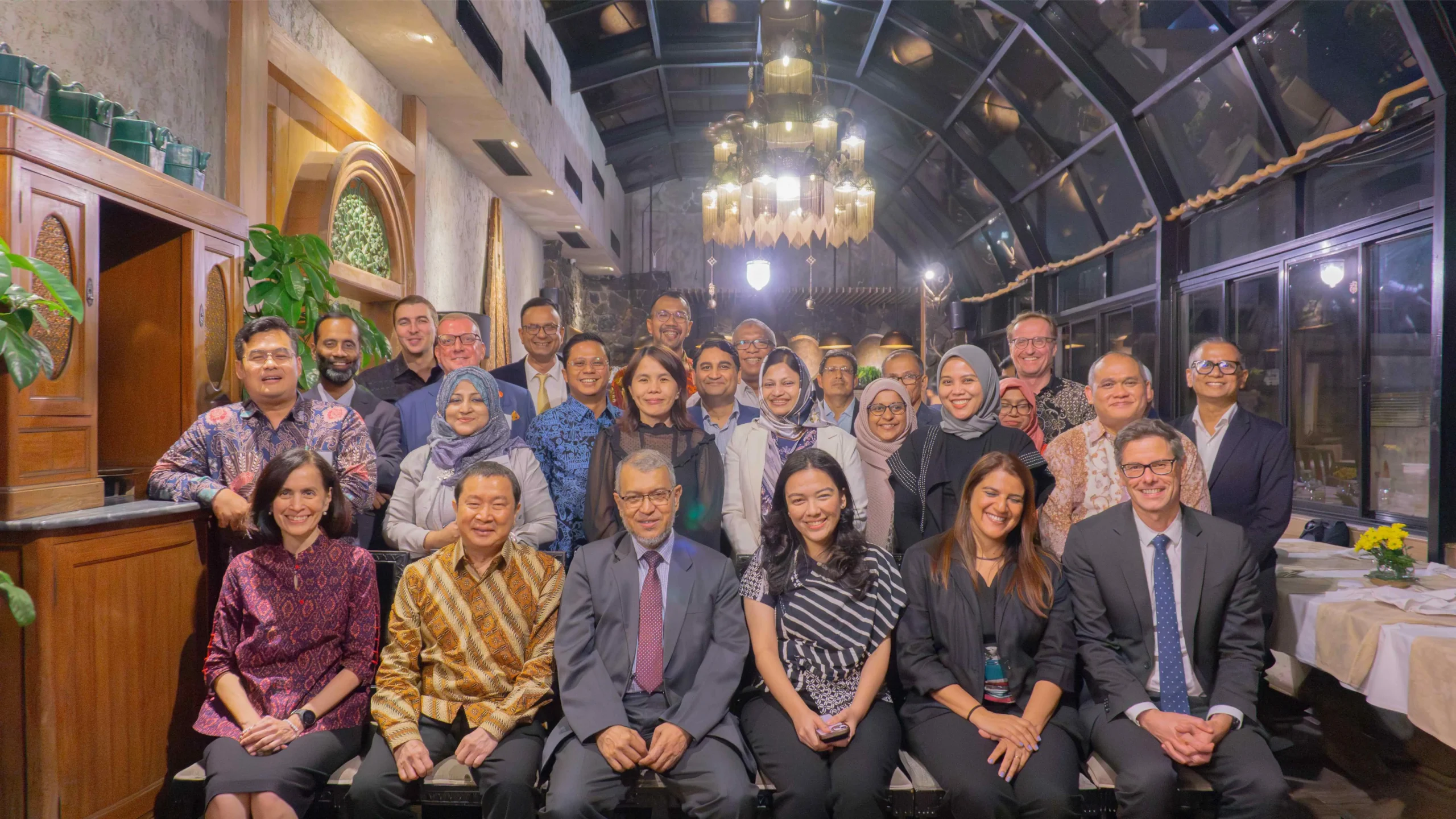
At a welcome dinner hosted by IIX, the delegation engaged with key organizations leading Indonesia’s sustainable finance initiatives across public, private, and philanthropic sectors. These institutions, including the Ford Foundation, Global Affairs Canada, PT Permodalan Nasional Madani (PNM) Indonesia, Indonesia Infrastructure Finance, the EU Delegation to Indonesia and ASEAN, the Global Green Growth Institute (GGGI), and the United Nations Environment Programme (UNEP), share a commitment to fostering inclusive growth. Their collective efforts span climate action, gender equality, just energy transition, infrastructure, and financial inclusion, reflecting a comprehensive approach to sustainable development.
Prof. Durreen Shahnaz, CEO and Founder of IIX, stated, “Sustainable finance must be both inclusive and catalytic, ensuring that capital reaches those who need it most. The introduction of Orange Bonds in Bangladesh and Indonesia marks a bold step toward gender-responsive financial innovation, demonstrating how South-South partnerships can lead the charge in mobilizing capital for impact at scale. IIX is proud to support this regional knowledge exchange and looks forward to seeing these insights transform into actionable outcomes that benefit women and underserved communities,”
Critical Role of South-South Collaboration
At a time when sustainability and inclusive economic policies face increasing global pushback, the leadership of Global South nations in championing these efforts is more critical than ever. Bangladesh and Indonesia are stepping up as key players in advancing sustainable finance, demonstrating how emerging economies can drive climate action and equitable growth through innovative financial solutions. The delegation’s visit reinforced Bangladesh’s commitment to expanding its sustainable finance market and integrating insights from Indonesia’s experience in mobilizing private capital for social and environmental impact.
Both countries recognize that diversified, well-structured financial solutions are essential for advancing national economic priorities and achieving the Sustainable Development Goals (SDGs). Such financial solutions are also crucial for funding climate change adaptation and mitigation actions as enshrined in Bangladesh’s National Adaptation Plan (NAP) and Nationally Determined Contributions (NDCs).
Through regional knowledge exchange, Bangladesh is strengthening its sustainable finance framework while actively contributing to discussions on innovative financing in the Global South. This visit marks an important step in Bangladesh’s efforts to adopt financial solutions that drive inclusive and climate-resilient economic growth while drawing on Indonesia’s successful models for sustainable investment.