North Sumatra, August 11, 2026 — TransTRACK once again deployed its Rally Tracking System to support monitoring and safety at the North Sumatra Rally 2026, part of the FIA Asia Pacific Rally Championship (APRC) Round 3 and the IMI National Rally Championship (INRC) Round 4 / Final Round, held from August 7–9, 2026, in North Sumatra. Leveraging both cellular and satellite connectivity, this Indonesia-developed technology helps Race Control monitor rally crews’ positions live, detect when vehicles come to a stop, and receive information on participants’ conditions, enabling faster coordination of safety responses across the Special Stages (SS).
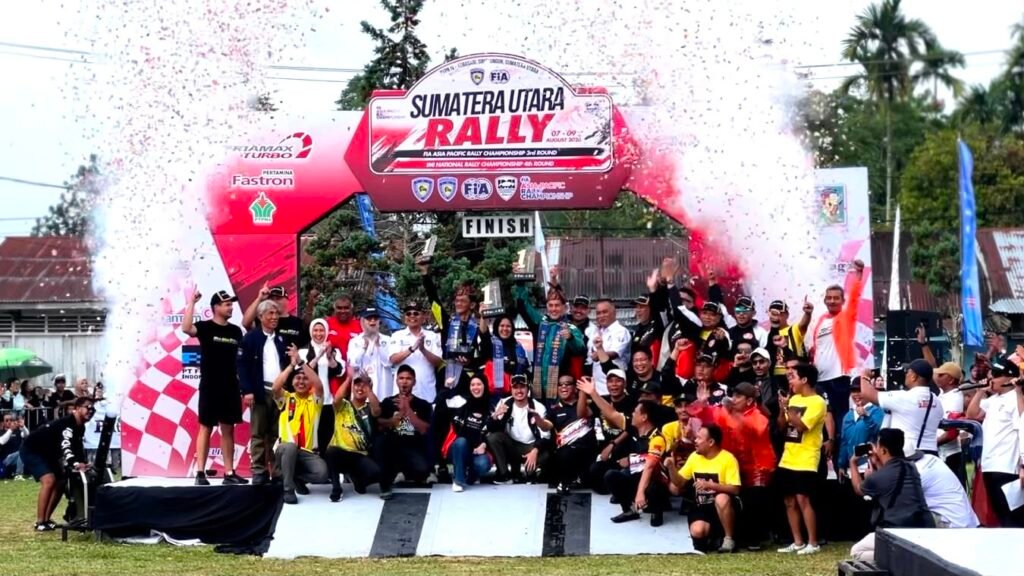
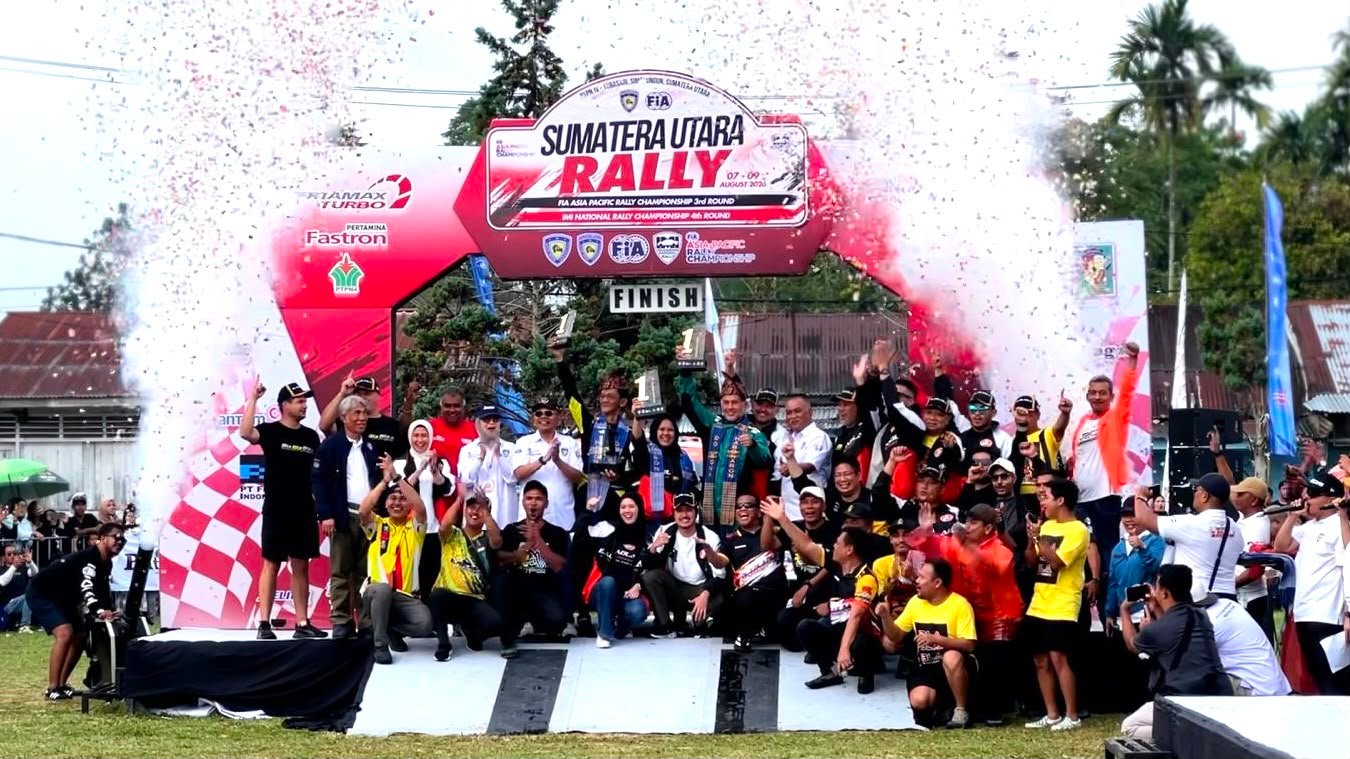
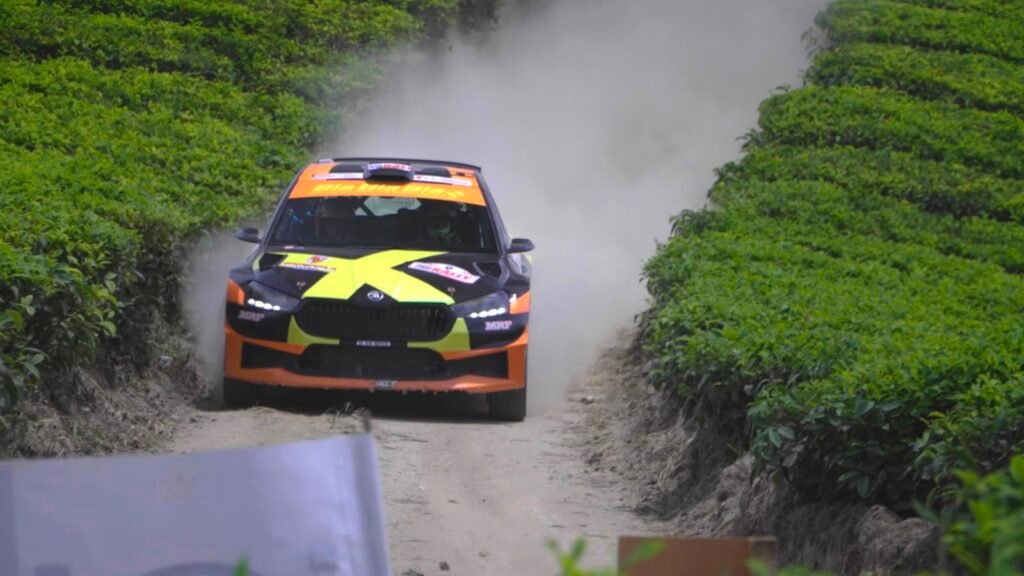
This time, TransTRACK’s technology was used to monitor 45 participants, including rally drivers from India and Spain, throughout 12 Special Stages held at Tobasari A, Tobasari B, and Bah Butong, covering a total distance of 231.10 kilometers over two days. After completing the entire series of Special Stages, the pairing of Musa Rajekshah (Ijeck) and Hervian Sudjono successfully emerged as the overall champions of the FIA Asia Pacific Rally Championship (APRC) Round 3 as well as IMI National Rally Championship (INRC) Round 4, driving a Skoda Fabia RS Rally2 from BLA BLA BLA Motorsport. Meanwhile, Ryan Nirwan and Adi Indiarto secured second place and claimed the National Championship title of IMI National Rally Championship (INRC) Round 4, driving a Toyota GR Yaris Rally2 from TOYOTA GAZOO RACING INDONESIA.
Behind the competition all the way to the finish line, rallying presents unique challenges for Race Control due to its long and widely dispersed stages. The position and condition of each vehicle must be identified quickly, particularly when a participant stops or experiences an incident in an area that cannot be directly monitored. In such situations, TransTRACK’s Rally Tracking System serves as part of the monitoring infrastructure, helping Race Control obtain information from the stages and coordinate the necessary safety response.
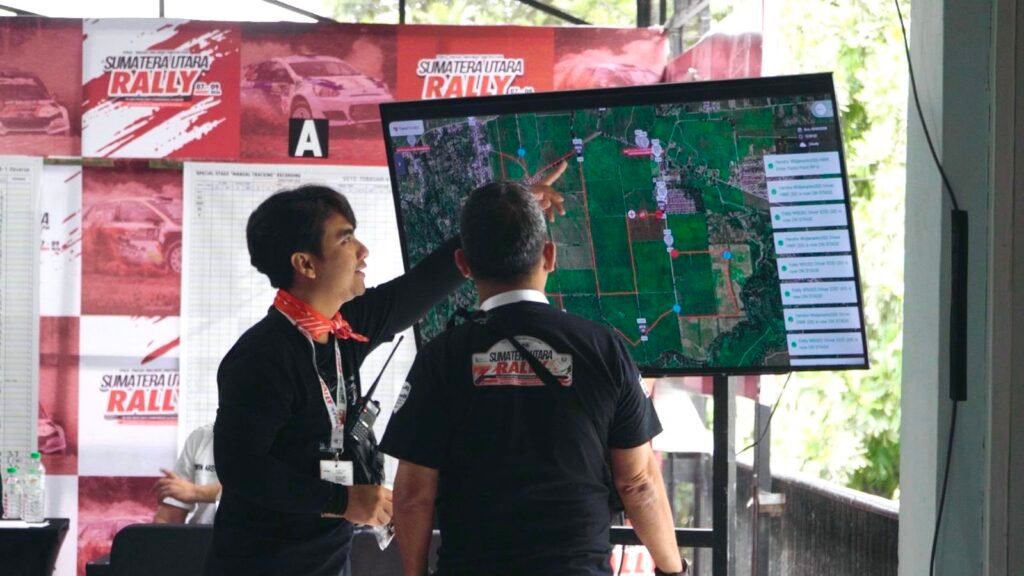
Ahmad Syauki Anas, Clerk of the Course, said the Rally Tracking System helps address the limitations of monitoring methods that previously relied heavily on radio points. The distance between radio points can reach approximately 2.5 kilometers, meaning that the exact position of a vehicle traveling between two points cannot always be immediately determined.
“With a tracking system that uses both cellular and satellite connectivity, like the one we are using now, participants can be monitored in real time. If a vehicle stops for even 30 seconds, we can immediately start finding out what has happened. This allows us to know its exact location and, if something occurs, take swift action to ensure the participants’ safety,” said Syauki.
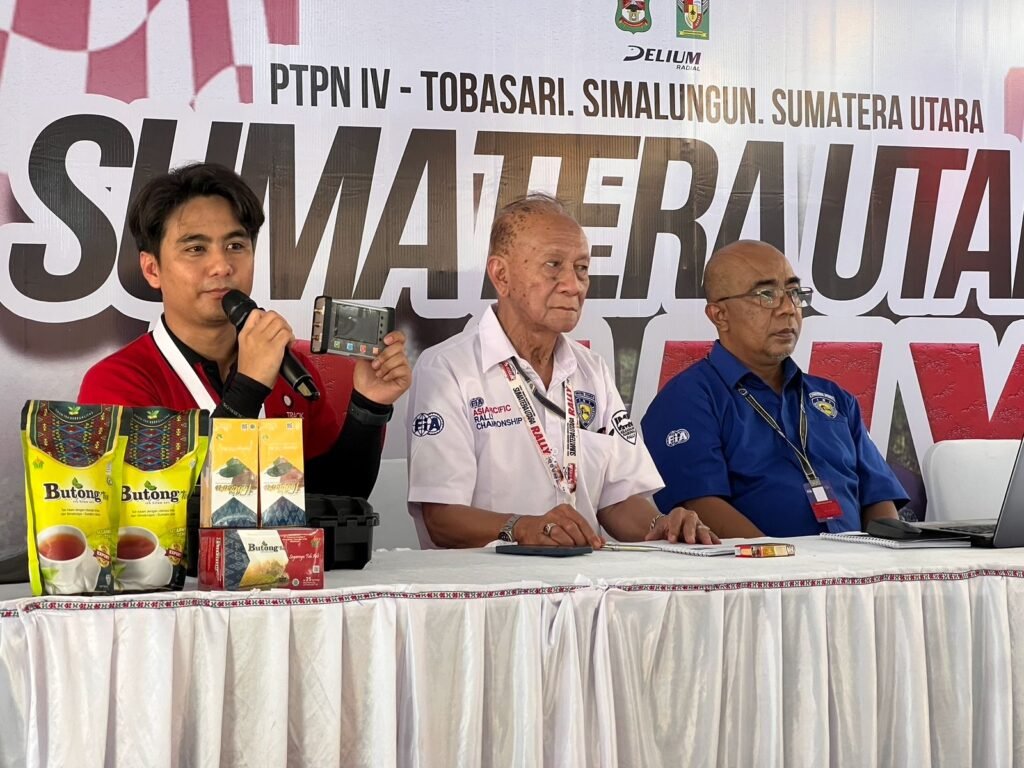
This capability was put into practice during the competition. When a vehicle was involved in an incident and obstructed the course, the Rally Tracking System helped the participant communicate information about their condition to Race Control. This information enabled race officials to better understand the situation on the ground and coordinate the necessary response.
In addition to supporting safety responses, logs generated by the Rally Tracking System can serve as supporting data for race officials when evaluating incidents and making decisions. However, decisions regarding a red flag or the temporary suspension of a Special Stage remain under the authority of race officials in accordance with the applicable regulations.
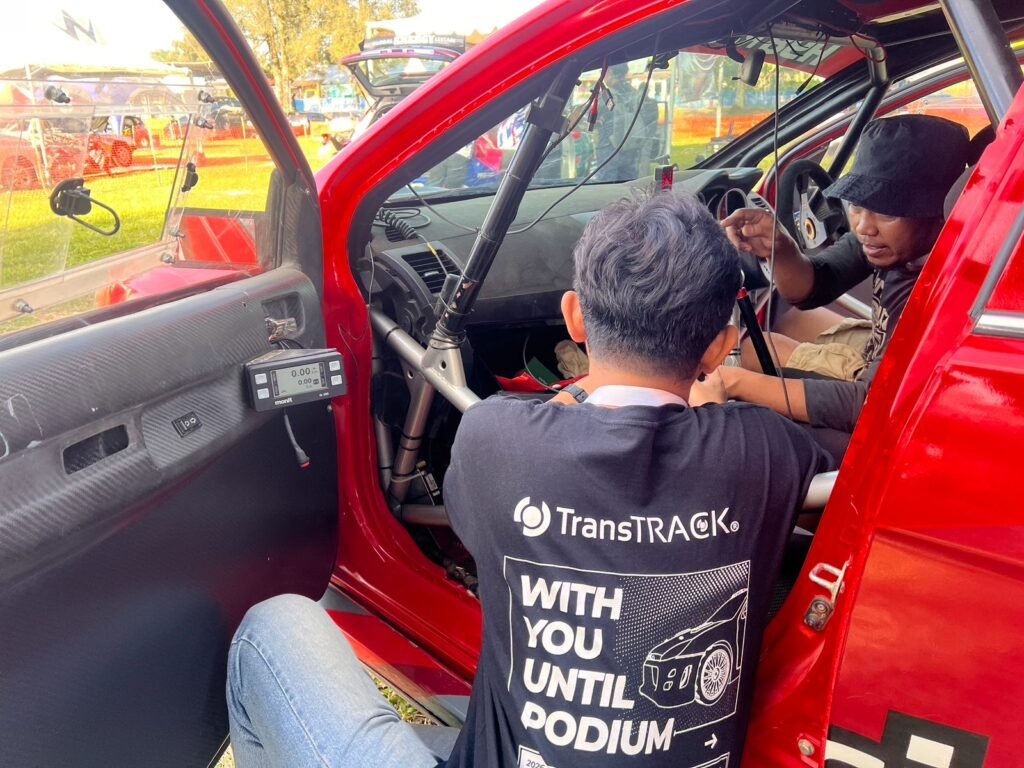
The use of this data is part of the ongoing development of TransTRACK’s Rally Tracking System through its deployment at various rally events. Following its use at APRC 2024 in Rambung Sialang and the 2026 Deli Serdang Sprint Rally, the system was deployed again at this event with several improvements. Syauki, who has followed its development since 2024, noted that significant progress could be seen particularly in connection stability and the system’s interface.
“What impressed us was that, after being deployed in Tobasari, the interface looked very good and the connectivity was much clearer and more stable. This demonstrates the excellent progress made by the TransTRACK team,” Syauki added.
The system’s development also drew the attention of Vicky Chandhok, Chairman of the Stewards, who has been involved in rally events in Indonesia for approximately six to seven years. According to him, tracking technology in Indonesia has undergone significant changes compared with several years ago, when monitoring processes were more manual and sporadic and faced challenges related to both satellite and cellular connectivity.
“I have seen a major transformation, and it is moving in a very positive direction. This represents a significant improvement, and the system currently in use is working very well. The next stage could focus on further development, particularly in communication functions and timing integration, including start times. The development of the system should also continue to follow relevant guidelines and maintain clear communication with the FIA. I greatly appreciate the fact that this technology was created and developed in Indonesia,” Vicky continued.
Anggia Meisesari, Founder & CEO of TransTRACK, said that the implementation of the Rally Tracking System at the APRC represents an important opportunity for TransTRACK to demonstrate how technology developed in Indonesia can be deployed in environments that demand rapid information delivery, reliability, and responsive safety measures.
“In rallying, every second and every piece of information from the stages matters. We developed the Rally Tracking System not merely to display vehicle positions, but to help Race Control obtain the information it needs so that situations on the stages can be identified and responded to more quickly. The APRC provides us with an opportunity to demonstrate the technology’s capabilities while continuing to refine technology developed in Indonesia,” said Anggia.

“The APRC represents an important milestone in the journey of TransTRACK’s Rally Tracking System. We will incorporate feedback from organizers and race officials into the next stage of development, with the goal of raising the technology’s standards so that it can contribute more broadly to rally safety, both in Indonesia and across the region,” she added.
Feedback from Race Control and race officials will form an integral part of the next phase of development for TransTRACK’s Rally Tracking System, including improvements in connection reliability as well as potential integration of communication, timing, and race management functions. These developments may also create opportunities for broader applications of TransTRACK’s technology.
TransTRACK hopes that the Rally Tracking System can be deployed at more rally championships across Indonesia and further developed toward FIA homologation, creating opportunities for the technology to be used more widely across the region in the future.